I didn't go to Austin this year. But I spent a good chunk of time going through everything that came out of it - the trend reports, the session recaps, the thought pieces people posted on the flight home. And something kept coming up that I couldn't shake.
Not the AI demos. Not the autonomous vehicles, though apparently those were everywhere. It was something quieter. A kind of collective exhale from people saying: we're done with polished. We want real.
I've been saying this to clients for a while now. But seeing it confirmed at that scale - across industries, across generations - made it feel less like a trend and more like a correction.
The numbers I keep quoting
76% of consumers say they want authenticity from the brands they buy from. That's not a niche feeling. That's basically everyone.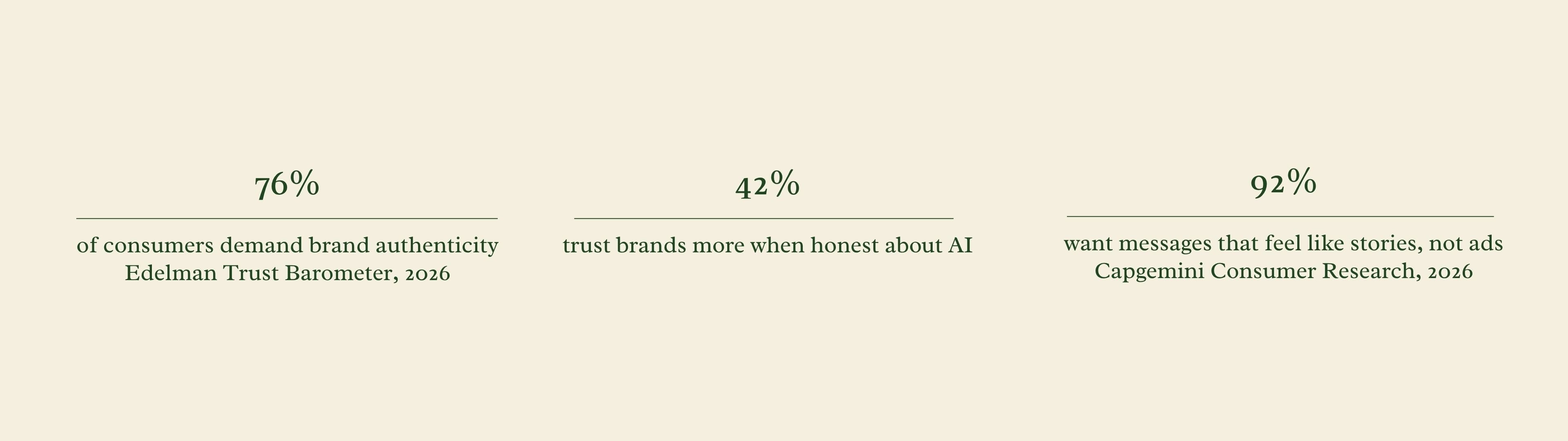
And the irony is that as AI-generated content gets better and more widespread, being visibly, unmistakably human is becoming a genuine differentiator. The brands who let their people be seen - who share the real, sometimes messy stories behind what they do - are cutting through in a way that no campaign budget can replicate.
92% of people would rather hear a story than be advertised to. That tracks with everything I see working right now. Nobody shares a press release. They share the moment the front desk manager drove a guest to the airport at midnight because the taxi didn't show.
Hospitality has always been a people business. The problem is a lot of brands spent the last decade optimizing the people out of it.
Peak frictionless
One of the threads I kept seeing in the SXSW coverage was what I'd call the frictionless hangover. We built seamless everything - contactless check-in, AI recommendations, automated everything - and operationally it works great. But guests don't walk away feeling anything.
There's research now suggesting people are starting to want a bit of friction back. Not bad friction - not queues and confusion. But the friction of a real interaction. Someone asking how your trip was and waiting for the answer. A recommendation that came from a person who thought about you specifically, not an algorithm that profiled you.
Guests don't want to be optimized. They want to be known. And those are very different things.
So, what do you do about it
1. Close the gap between what you say and what you do
If you talk about sustainability, it needs to be real. If you promise personalized service, your team needs to have the freedom to personalise - not just follow a script with the guest's name in it. The gap between marketing and reality is where trust goes to die. People notice it immediately now.
2. Stop telling brand stories. Tell guest stories.
Your heritage is not interesting to your guest. What is interesting: the couple who got engaged at your property last spring. The solo traveller who came for a weekend and ended up staying a week. The wellness retreat that someone told you changed how they think about their health. You have these stories. Most brands just never think to tell them.
3. Be straight about AI
This one surprise people but it really shouldn't. 42% of consumers trust brands more when they're upfront about using AI. Not fewer - more. You don't need to apologize for the technology. You just need to be honest about it. "This recommendation came from our AI, but our team reviewed it" is fine. Pretending it's a person when it isn't is not fine.
Why this moment is good news for you
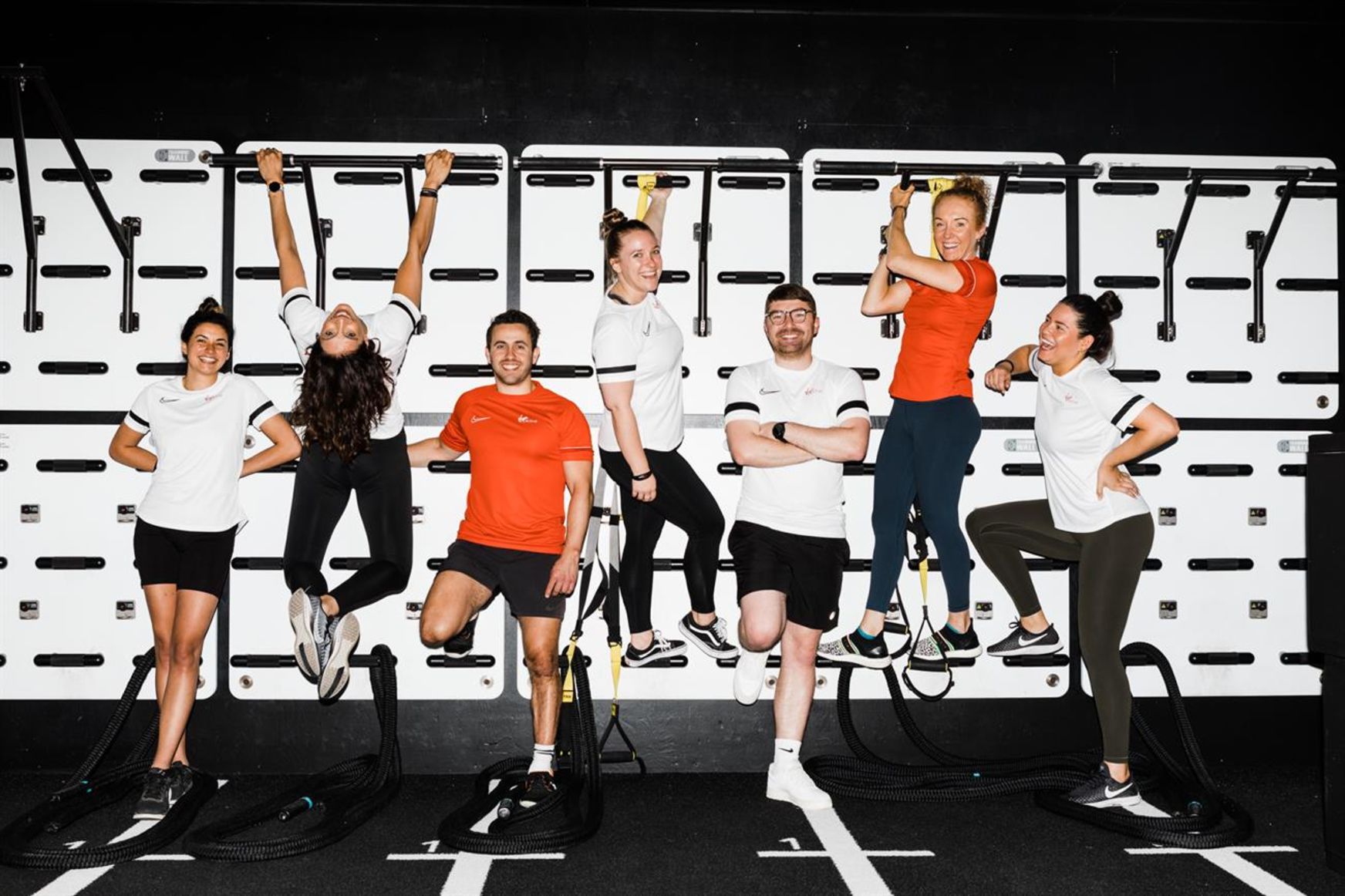
Here's the thing I genuinely believe, hospitality and wellness brands are better placed for this shift than almost anyone. Your whole business is built on human connection. You have staff who make judgment calls every day. You create real moments that change how people feel. The work isn't to reinvent anything - it's just to stop hiding it.
The smart operators I'm seeing aren't using AI to replace people. They're using it to take the admin off their plate so their people can actually do the job they're good at. Less time on paperwork, more time on the moments that guests go home and talk about.
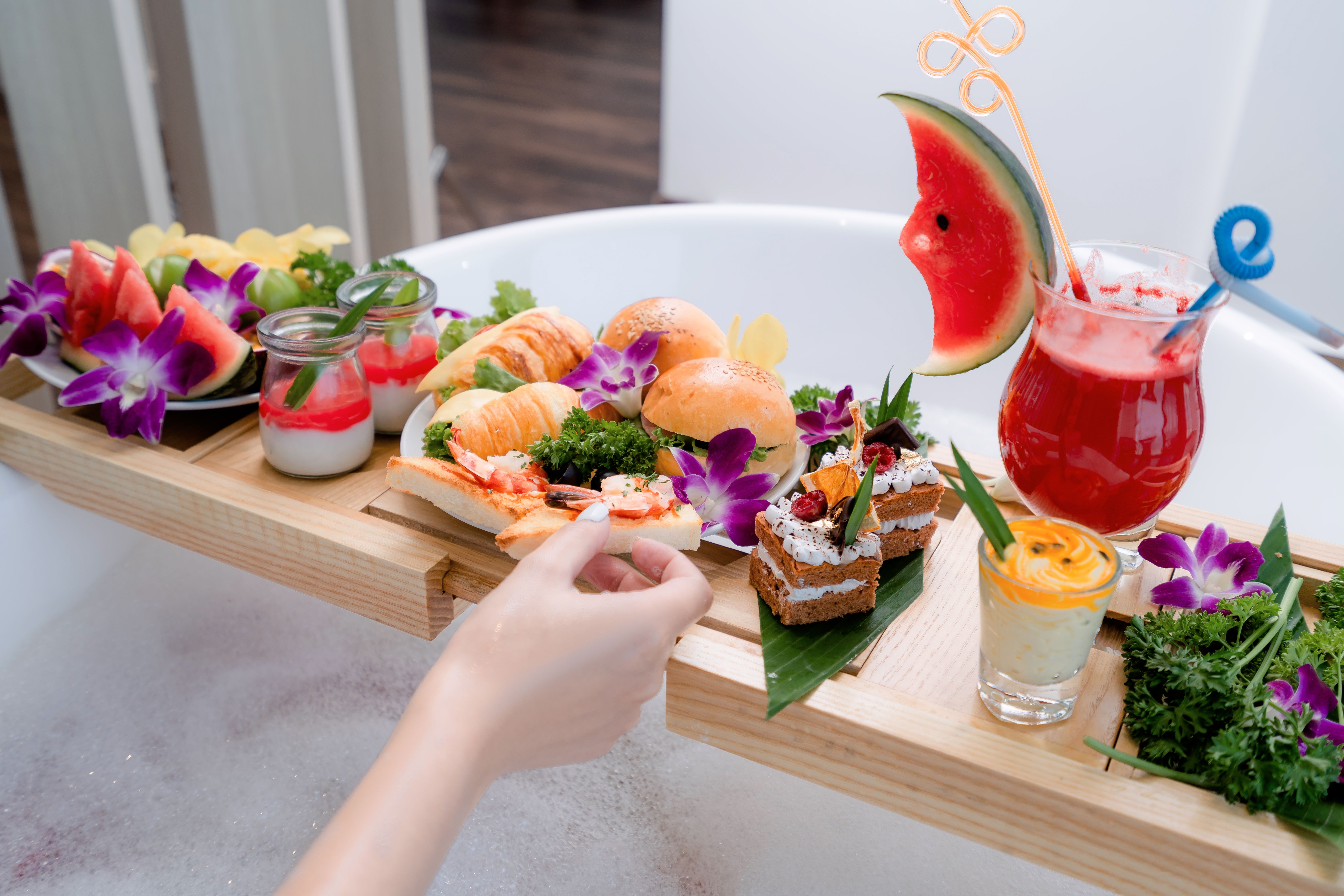
Nearly half of Gen Z and Millennials are planning a wellness trip in the next year. These aren't people chasing tech novelty. They want to feel something. They want to be taken care of by someone who actually gives a damn.
Where to start
Honestly? Just ask yourself where the gap is. Where does your marketing promise something, your operation can't quite deliver? That's your priority. Fix the gap before you spend another dollar on content.
Then look at your people. What stories are sitting right there, untold? What does your team get up to every day that guests never hear about? Some of the best content I've seen from hospitality brands has come from a housekeeping manager with a phone and a genuine voice. Not a campaign. Not a photoshoot.
And finally - give your people permission to be human. Where are you forcing them to follow a script when their instinct would actually serve the guest better? Some of that friction is worth protecting.
SXSW 2026 wasn't breaking news. It was confirmation of a direction that's been building for a while. People want brands that feel human because they are human. You already have that. The job is just to let it show.
Want to think this through for your brand? Schedule a call.