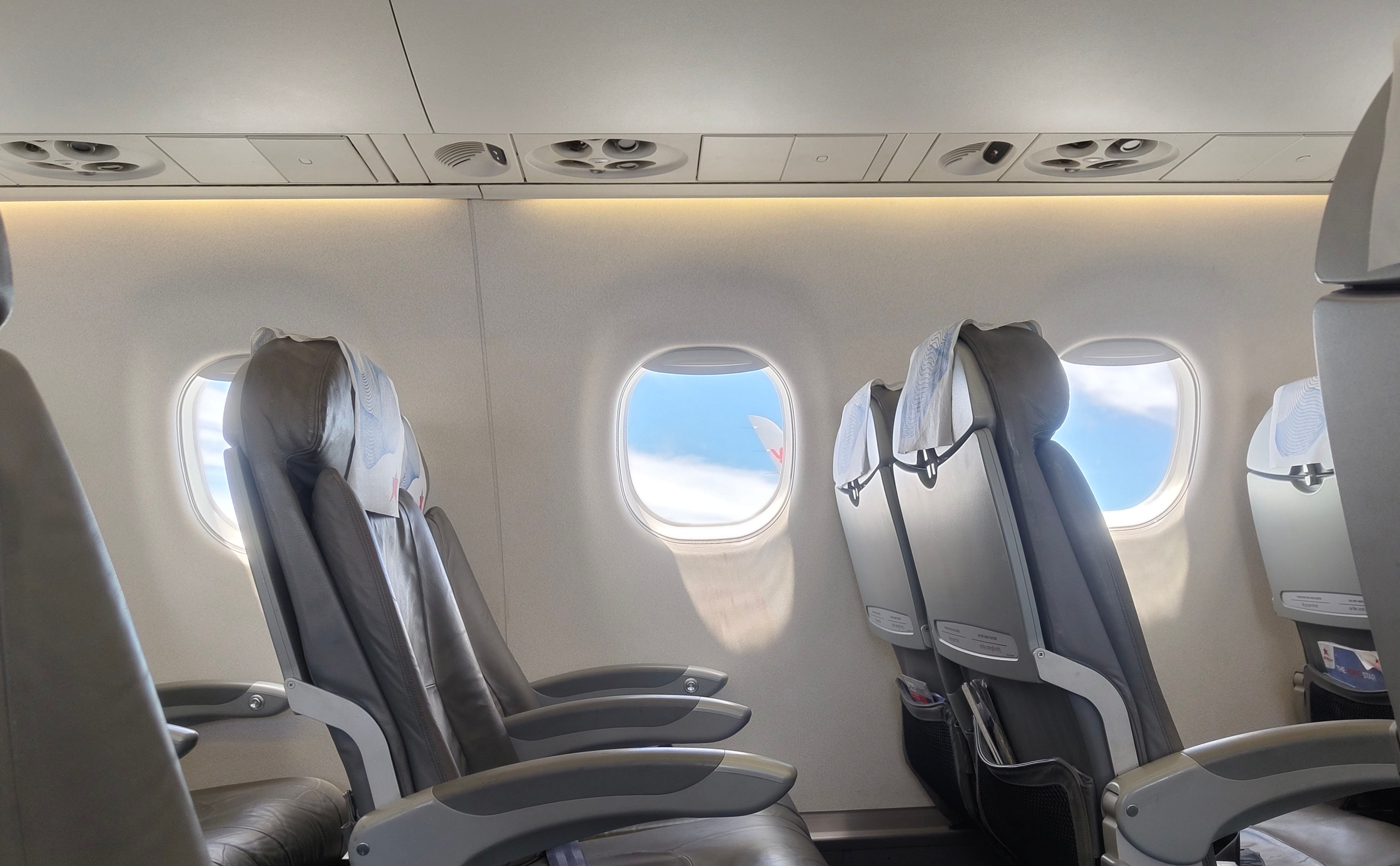
On June 1, 2026, Fiji Airways launched FlyWell into existing business class.
Firefly wearables. Ra Optics lenses. Magic Mind formulas. Recovery infrastructure layered into the existing product. No new seats. No aircraft modifications. Months to deploy. A cabin redesign would have taken five years.
The operators winning on premium experience right now are not building harder products. They are integrating lightweight technology into the existing fleet and doing it in months instead of years.
Why this matters
The premium travel industry spent decades solving for comfort. Bigger seats. Newer cabins. More space. That arms race requires billions in capital and years of build cycles. The problem: comfort does not solve what travel actually breaks.
Travel disrupts recovery. Sleep cycles shift. Circadian rhythms fracture. The body's ability to regulate itself breaks down at altitude. A bigger seat only goes so far. A better cabin only goes so far. These are comfort improvements, not recovery solutions.
Recovery is enabled by technology. Wearables that track and optimize circulation and sleep quality during flight. Optical technology that supports melatonin production, which altitude suppresses. Formulas that help the body adapt to time zones faster, reducing jet lag severity. We've never been more informed about what our bodies need.
When recovery is integrated into the experience, it changes the entire value proposition. A traveler arriving recovered is more productive, more present, more likely to return. A traveler arriving disrupted is a walking advertisement for your competitor. The operational impact is real: recovery infrastructure directly affects guest satisfaction, repeat booking, and business ROI.
The market moved first. Wellness tourism outpaced overall travel growth. Affluent travelers increasingly cite health optimization as a primary booking factor in their travel decisions.
The work ahead
You don't need billions in capital or a new build to innovate your premium experience. You need to be nimble. Modern technologies, partnerships, and borrowed brand equity can move the needle faster than a cabin or hotel room redesign ever will.
Stop asking "what new hardware do we need to build?" Start asking "what recovery technology already exists that our travelers expect, and how fast can we deploy it?"
Fiji didn't wait for a new aircraft. They moved fast by recognizing the opportunity, curating existing solutions (Firefly, Ra Optics, Magic Mind), and deploying them in months. That's the competitive edge right now. Speed and smart partnerships beat expensive hardware.
This is the work: identify the opportunities to strengthen your experience and deliver on what your customers actually need. Whether that's creating your own programming, identifying the right partnerships, or leveraging existing technology and tools to create a sharper, more valuable experience.
Every operator sitting on the old playbook, waiting for the next capital cycle and betting on bigger seats, is watching the standard shift without them. Recovery technology works. The real question is whether you move first or defend why you waited.
By the time you finish your cabin redesign, which airline will have already reset what premium standard means?
If your premium experience strategy needs to evolve alongside hard product investment, or if you're ready to move first on recovery infrastructure, let's talk.