Social wellness is the industry’s newest headline, and for once the urgency is not manufactured. In June 2025 the World Health Organization reported that one in six people worldwide is affected by loneliness, and that loneliness and social isolation are linked to around 871,000 deaths a year. Roughly a hundred an hour. Connection stopped being a lifestyle preference and became a public health variable.
The industry moved fast. On July 1, Virgin Active opened its flagship Mayfair club as a “Social Wellness Club,” and McKinsey’s Future of Wellness 2026 research, previewed on June 24, named social wellness one of seven pockets of growth. The demand is real. The instinct, as usual, is to build something.
Here is what the build misses. Earlier this year, at Soho House Miami Pool House, I did Budokon with Nelson Leon, an hour of strangers rolling on the floor, throwing jumps, holding fighting stances, then dropping into meditation. The next morning, breathwork with Daniel Silva of O2Flo, lying back under the Miami skyline while palm leaves fanned the room. Months later, those are the two sessions I still think about. Neither had anything to do with the hardware. What made them land was being put among people, moving through one thing together. The cost to the operator was a slot on a schedule and a good instructor, not a capital program.
This is the one wellness vertical you can’t buy your way into
We have written before that longevity is leaving the clinic and becoming infrastructure: the biomarker suite, the cold plunge, the airport sleep room, installed into the base layer of hotels, residences, and ships. That vertical is a build. The global wellness real estate market hit $876 billion in 2025 and is forecast to reach $1.8 trillion by 2030. You can spend your way in.
Social wellness does not work like that. You cannot install connection. It is produced when people take part in something together, which means it runs on programming and the people who deliver it, not square footage. That is the strategic gift hiding inside the trend, and most of the industry is about to spend past it.
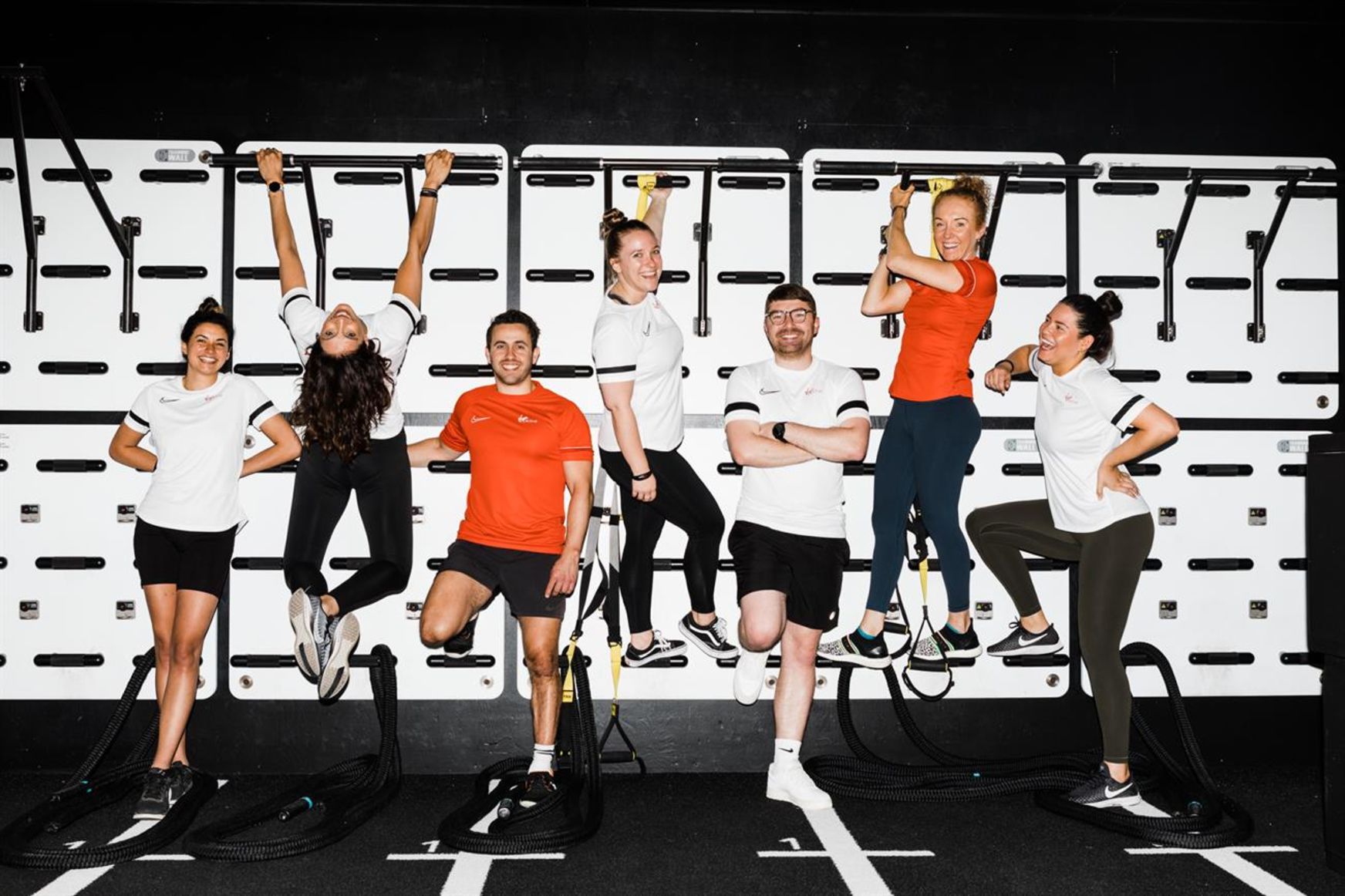
Virgin Active’s Mayfair club is a genuinely good building: five studios, contrast bathing, a plumbed-in cold plunge, co-working lounges, a nutrition café, even a drop-in ironing service so members can get their clothes pressed while they train. The risk is treating the fit-out as the product. It named the club social, but the social part is a scheduling and staffing decision that happens after the build, not a feature you can specify in a drawing.
Soho House leans the other way. Its 2026 expansion is heavy on racquet sports, padel and tennis courts across Soho Farmhouse, Babington House, Miami, and beyond, formats that only work when other people show up and someone makes the match. A padel court and a breathwork circle cost a fraction of a longevity clinic, and they produce more of exactly what the loneliness data says people are missing. Miami Pool House is where I felt it.
Which is good news for hotels, cruises, and airlines
The operators who assume social wellness is not for them, because they do not have a flagship club, have it backwards. Programming travels. Most of them already own the two ingredients that matter: captive time and frontline people. What they need is the mandate and the tools to use them.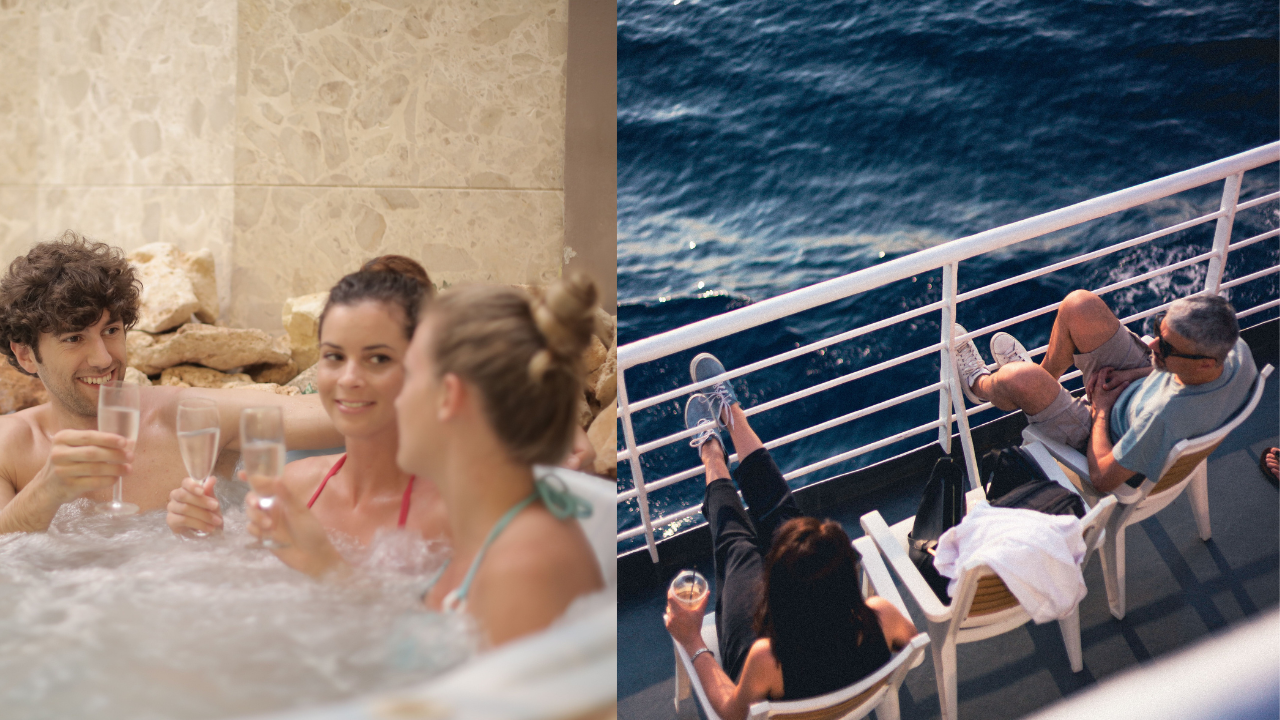 Hotels. ZEL, the Meliá and Rafael Nadal brand, builds its whole proposition on active, social wellbeing rather than a destination spa: a Fitness Residency of running, pilates, and yoga sessions, a run club on the volcanic trails at ZEL Fuerteventura, weekly social programming that mixes movement and entertainment to bring guests and locals into the same room. None of it requires a clinic. It requires a schedule, a host, and a reason to show up together.
Cruises. This is the format’s natural home: days at sea, a captive audience, and crew already trained to run activity. Norwegian built an entire product for the guests most exposed to loneliness, pairing solo cabins with a Studio Lounge that runs organized events, from trivia to mixology to speed networking, and is expanding solo staterooms fleetwide. Crystal programs a Wellness at Sea retreat around shared movement and practice. The ship is the venue. The programming is the product.
Airlines. The hardest case, and the most overlooked. You cannot install a padel court at 38,000 feet, but the lounge and the arrival experience are venues, and the crew are hosts. The lever here is empowerment. Give frontline people the permission, the training, and a simple playbook to run a session or introduce two travelers, and an airline’s most abundant asset, its people, starts doing the work that no amount of hardware can.
How you actually win
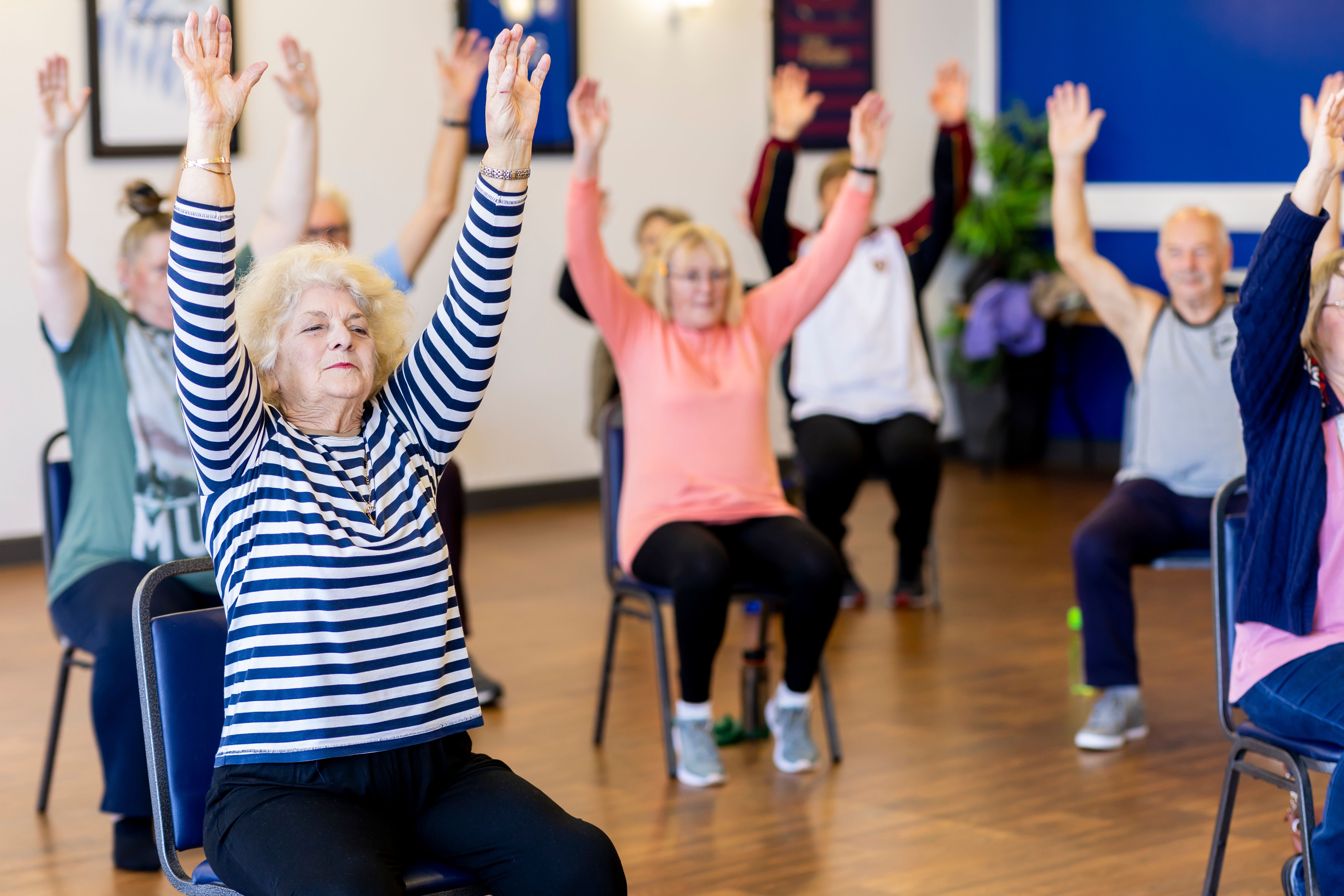
Program for participation, not facilities. Put formats on the schedule that only work with other people: a run club, a breathwork circle, a communal table. The shared doing is the product, and it fits in rooms you already have.
Empower the frontline to host, and mean it. A staff member who reads the room and introduces two guests produces more connection than any lounge. Give them the mandate, a light tool, and the training, then check whether they use it.
Measure connection, not floor area. Not dwell time in the spa. Whether a guest who arrived alone leaves having met someone. Whether they can name another guest. Whether they come back for the room full of people, not the amenity in it.
The question worth asking
The industry is asking how much social wellness space to build and how to fit it out. The better question is what you could program next week with the people and the rooms you already have.
At Meridian Thinking, we are in the memory-making business. Nobody remembers a plunge pool. They remember the hour they spent among strangers, moving through something together. Community is programmed, not built, and it either makes the schedule or it does not happen at all.
The two sessions I still think about cost the operator almost nothing to run. Everyone else is still quoting for the building.