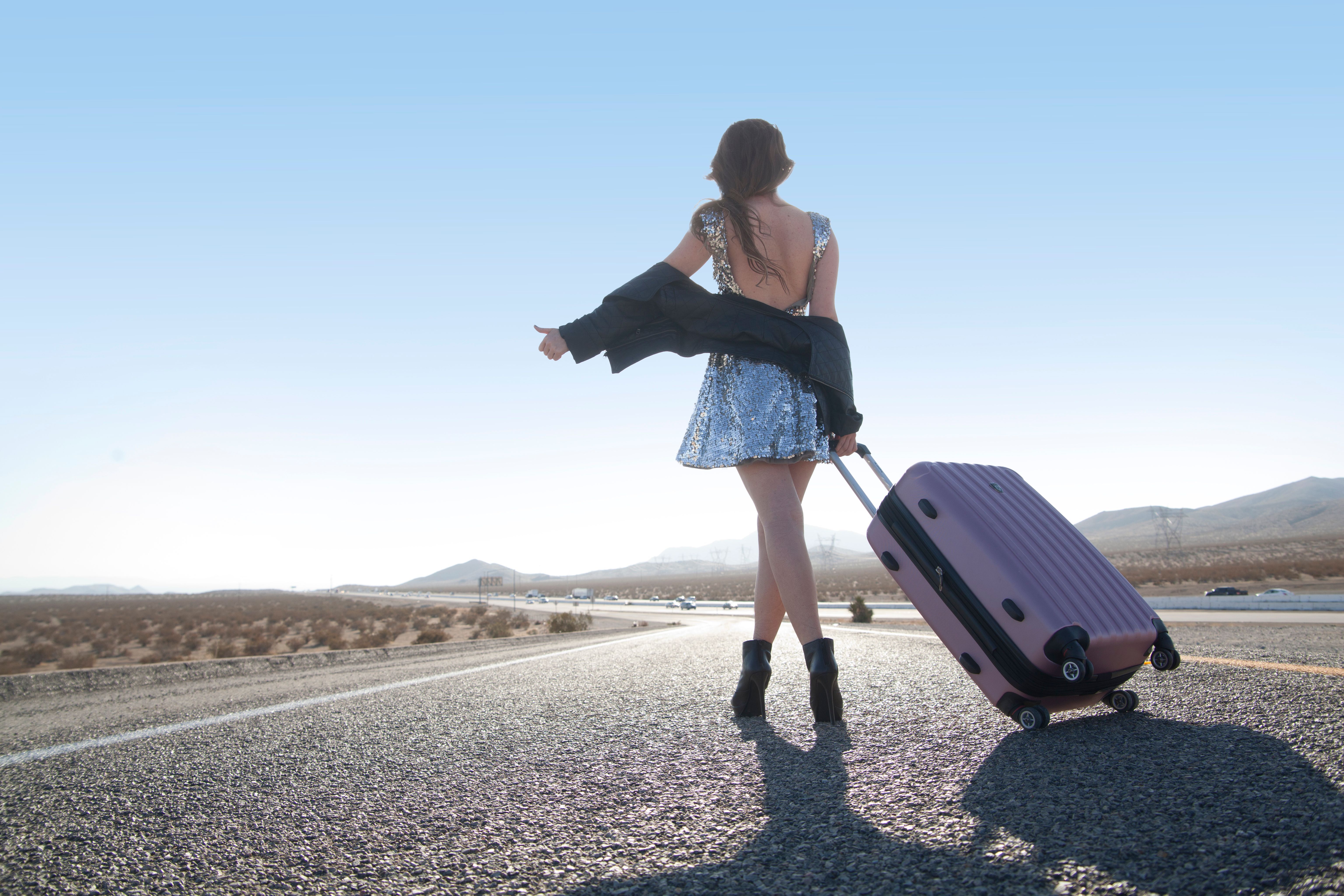
Solo travel and dining aren’t a niche anymore. They're a guest segment large enough to change how rooms get designed, how tables get seated, and how tickets get priced, and most operators are still building for the group that used to show up instead. The guest isn't new. What's new is the scale.
The trend, in numbers
The U.S. Census Bureau counted 39.7 million one-person households, 29 percent of all households, up from 20 percent in 1975. That‘s not a niche shift, it's a decade-over-decade rewrite of what a household looks like. Skyscanner's travel trends report found hotel bookings made through its solo-traveler filter jumped 83 percent year over year, with solo search volume up 84 percent globally. Solo restaurant reservations on OpenTable were up 23 percent year over year, with solo diners spending an average of $94 per person, well above the $60 average across all party sizes (Axios, citing OpenTable data). And solo festival attendance in the UK rose from 8 percent of festivalgoers in 2019 to 29 percent in 2025 (Ticketmaster).This isn't a demographic footnote. It's a guest who now books alone often enough to change the unit economics of the room, the table, and the seat, if the operator lets it.
Why it's been easy to ignore
Most hospitality and leisure businesses are built around two. Staffing ratios, room turnover schedules, server sections, seating engines: all of it assumes a pair, or a group, moving through the experience together. A solo guest doesn't cut those costs in half, so the standard response has been to round the price up instead of redesigning the product. The single supplement, the two-item minimum, the seating engine that won't sell a ticket next to an empty seat: these aren't malicious, they're just inertia dressed up as policy. Nobody built the product for one guest, so nobody priced or staffed for one guest either.
That inertia is now expensive. The guest showing up alone isn't a discount case. In dining, they're the highest-spending party size in the room. In travel, they're driving search and booking growth well ahead of the group segment. The businesses still treating them as overflow are leaving margin on a customer who's already walking through the door.
Who's actually getting this right
A handful of operators across very different categories have started treating solo demand as a design problem rather than a pricing footnote, and the pattern holds across all of them.
Cruise.- Norwegian Cruise Line built the category's benchmark product: Studio cabins with no single supplement, a private lounge, and a waitlist most ships can't clear. Explora Journeys and Ponant have gone further, waiving solo supplements outright across select and, in Ponant's case, more than 160 voyages. Holland America's new Solo Verandahs push the model one step further still, into a room designed for one from the studs out.
Hospitality.- citizenM and Yotel built micro-rooms, roughly 145 to 150 square feet, around a single efficient footprint rather than a shrunk-down double, priced for one but never restricted to it, and made the economics work at a scale most operators assume only works with more square footage.
Dining.- Rose Mary in Chicago runs its Chef's Counter as a standing, bookable reservation category on Tock, not a walk-in fallback. Norwegian's open-seating format and Tauck's river cruises seat solo travelers at communal tables by request, turning a seating rule into a better experience without adding a single square foot.
Entertainment.- This is the sector furthest behind, and the gap is the opportunity. Nearly a third of UK festival tickets now go to someone attending alone, and the infrastructure selling those tickets, from seating engines to minimum-spend rules, still isn't built for them.
Why this belongs in the strategy conversation, not just the pricing one
The instinct across every underperforming example is the same: treat solo as a rate adjustment. Charge more, or discount less, and call it solved. That instinct misreads the problem. A guest who books alone is not a smaller version of a couple. They have a different use pattern, a different spend profile, and a different relationship to the space they're paying for. Pricing around that guest without designing for them just protects the old math. Designing for them, the way NCL did in cabins and Rose Mary did in seating, changes what the guest is actually buying.
We're in the experience business, and the experience comes down to whether the room, the table, and the seat were built for the guest who actually turned up, not priced around the one who wasn't there.
What's ahead
Over the next several weeks, we're breaking this down sector by sector: how cruise and hospitality are pricing the solo guest, why purpose-built design is starting to outpace the single supplement, how restaurants already have the best solo product in the building and don't know it, and why entertainment and ticketing are the furthest behind. Each piece takes one part of the system, pricing, design, service, seating, and asks the same question: was this built for the guest who's actually here?
Solo isn't a segment you plan for later. It's already at your table.
If you're pricing the single supplement instead of designing around the guest who's actually walking in, the margin's already gone. Let's talk about what your rooms, tables, and seats would look like if they were built for one.